Kimire and the Illusion of “Enough”: Chronicle of a Modest Camera in an Age of Visual Excess
The 16X digital zoom does its job, though not without the inherent limits of digital magnification: it enlarges, yes, but does not always enhance. Here emerges another modern paradox—we can get closer to any scene without moving, yet closeness does not guarantee understanding.
Descripción
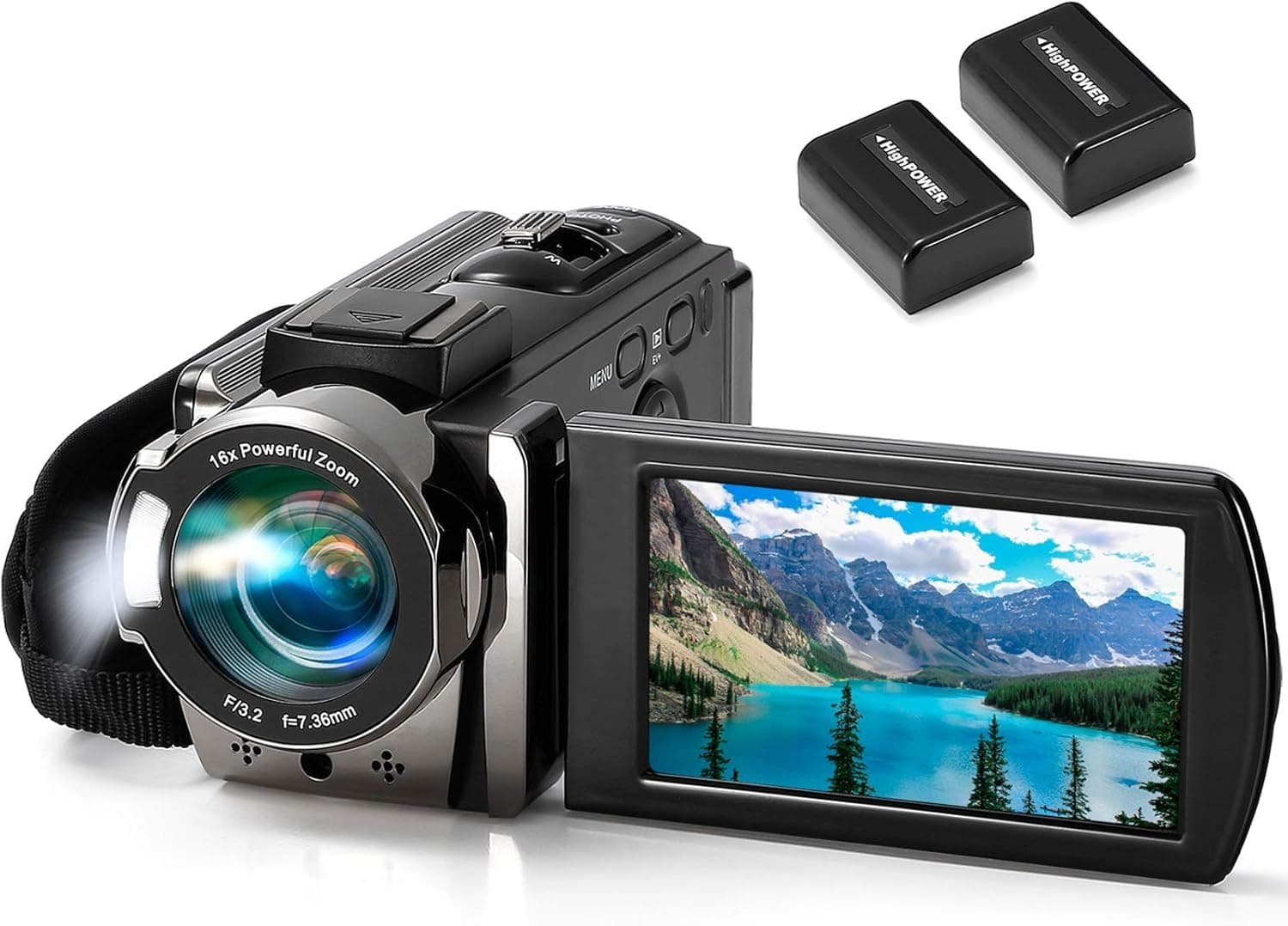
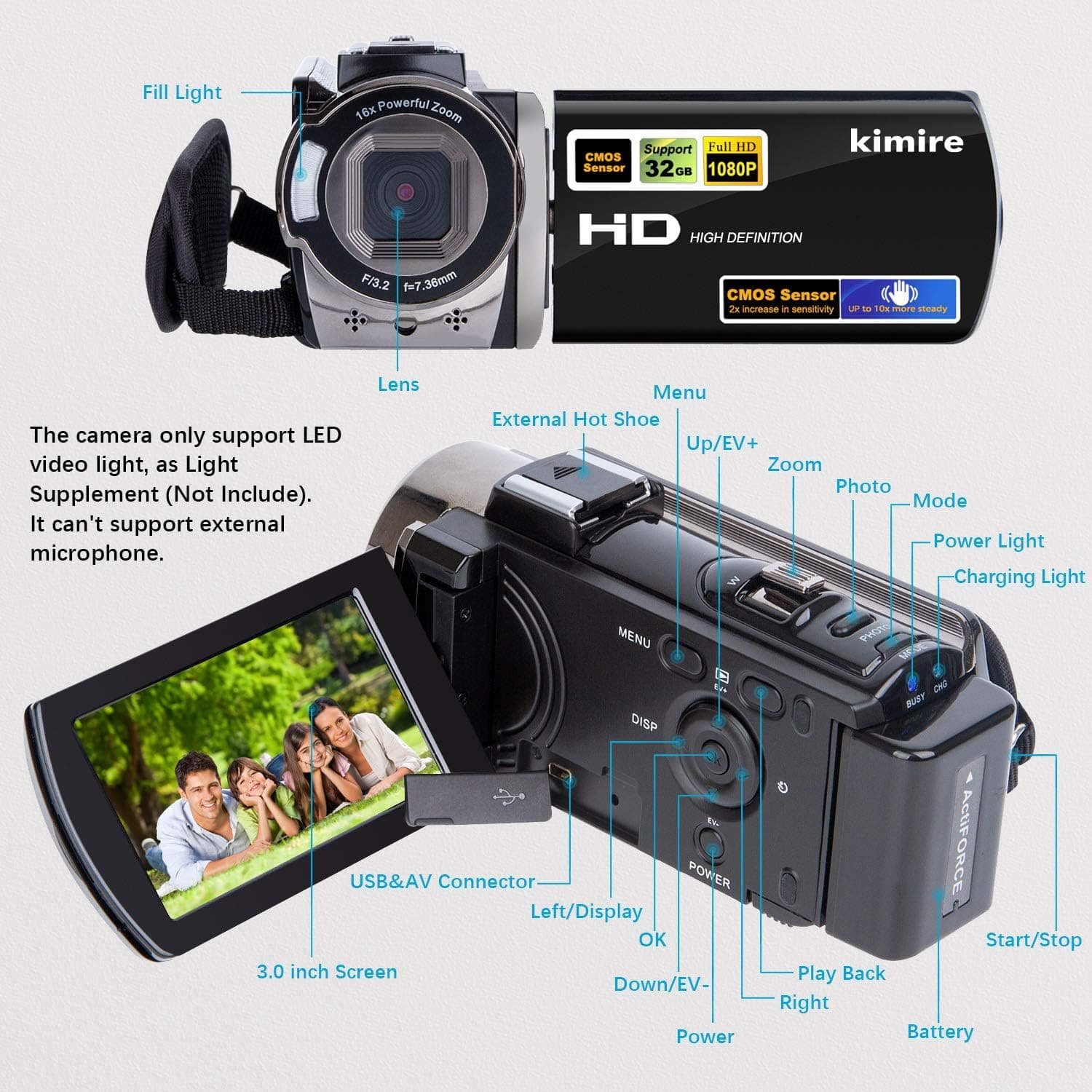
There was a time when “Full HD” sounded like a promise of the future, as if each pixel were a small technological conquest. Today, in a world flirting with 8K and obsessive hyper-definition, a camcorder like the Kimire—1080P, 24MP, 16X digital zoom—might seem, at first glance, like a quiet relic. And yet, dismissing it too quickly would be a mistake. History, ever ironic, tends to hide its most interesting turns in what appears modest.
The dignity of the functional
The Kimire does not try to dazzle; it does not compete in the league of technological giants. And therein lies its peculiar charm. Like those medieval chroniclers who, with limited means, captured the pulse of their time, this camera leans into essentials: to record, to capture, to document.
Its Full HD resolution at 15FPS—yes, 15, a number that might raise eyebrows elsewhere—introduces a curious antithesis: less fluidity, yet an almost accidental aesthetic, slightly stuttered, as if each frame hesitates for a fraction of a second before existing. It is not polished cinema; it is something closer to imperfect memory.
The mirror that turns
The 3-inch LCD screen with 270-degree rotation is, again, a small detail that reveals a larger transformation. It allows the user to see themselves while recording, to adjust, to rehearse. A common gesture today, but one rich with meaning: never before have we been so aware of our own image in real time.
There is something faintly theatrical about it. The creator becomes actor, director, and audience all at once—as if every recording were an improvised performance for an invisible crowd.
Zoom and emotional distance
The 16X digital zoom does its job, though not without the inherent limits of digital magnification: it enlarges, yes, but does not always enhance. Here emerges another modern paradox—we can get closer to any scene without moving, yet closeness does not guarantee understanding.
It is like overhearing a conversation from the next table: you catch more details, but not necessarily the full story.
Two batteries: time as an ally
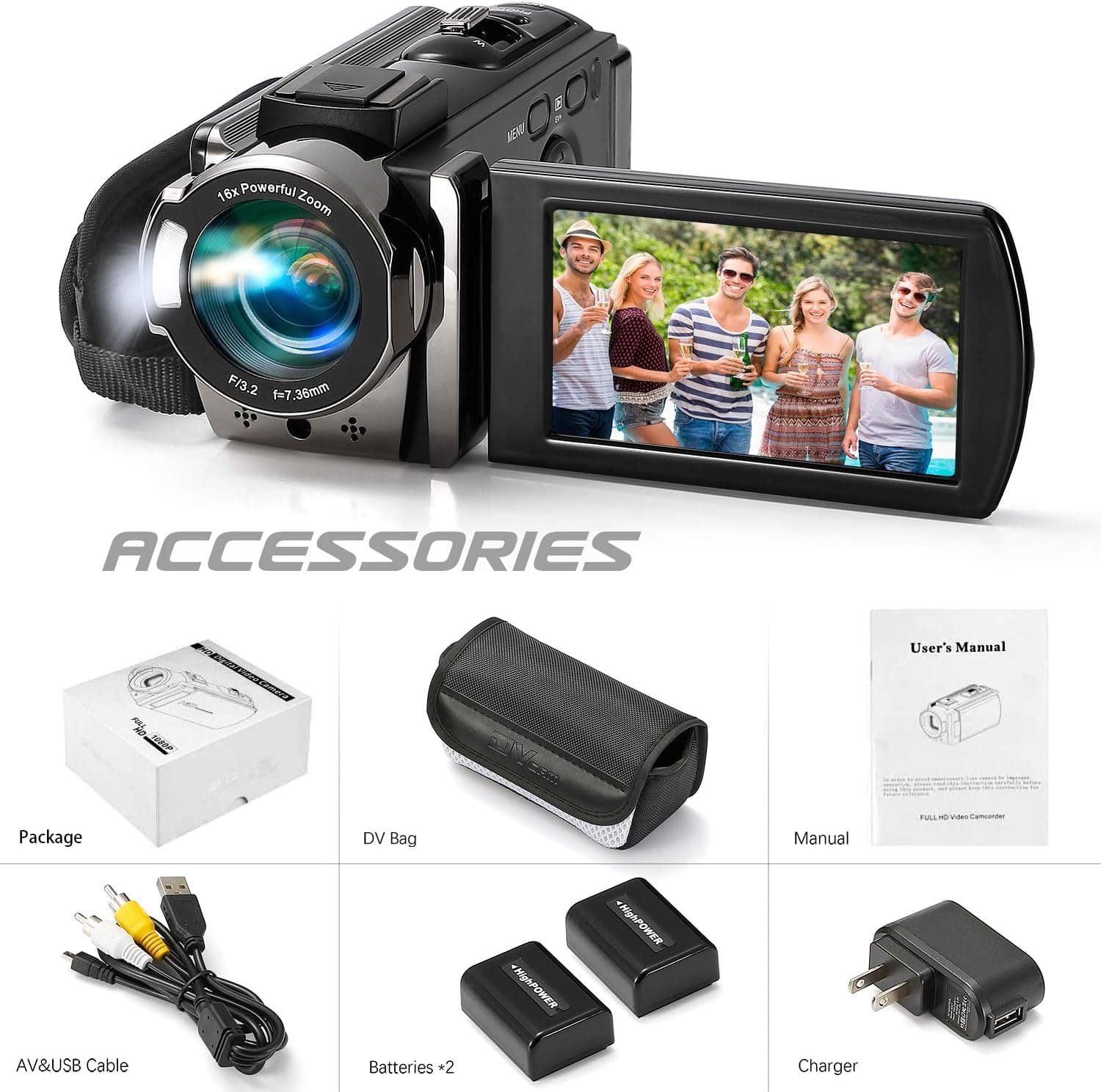
Including two batteries might seem like a logistical footnote, almost mundane. But in practice, it is a quiet statement: extend recording time, prolong the gaze.
In an era defined by immediacy and ephemerality, having more time to capture moments introduces a subtle resistance. A small rebellion against haste.
Productos relacionados
-
Seeing yourself while recording the world: the 4K UHD 64MP camcorder and the age of permanent presence
see on amazon -
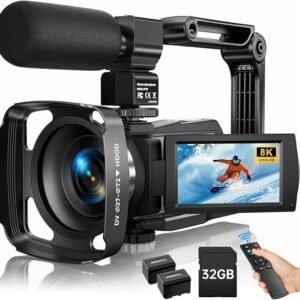
The future, compressed into a lens: the 2025 8K camera and the cult of excess
see on amazon -
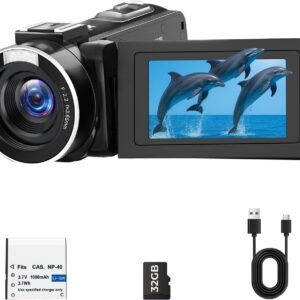
The Democratization of the Gaze: How a Pocket Camcorder Rewrites the History of Visual Storytelling
see on amazon -

A camera that refuses to sleep: 56 MP, 4K, and the restless eye of the digital age
see on amazon
Valoraciones
No hay valoraciones aún.